Showing posts with label obesity. Show all posts

"I wouldn't want my kid to live like that"

An email from an ED colleague of mine (who shall remain anonymous) about the anti-obesity campaigns was just so spot-on and brilliant that I had to repost it here:

To me the most critical point is that weight is not a behavior. That's why anti-smoking campaigns are different from anti-obesity campaigns. Smoking is a very easily controlled behavior if you have not taken it up yet. You can most certainly decide not to start smoking but you can not simply decide not to be fat - you can do all the right things and still be fat. I have little nieces and nephews like that. They are active and energetic kids who eat healthy (more so than my kids!) so what else are they supposed to do? How does the message that they have the wrong kind of body that puts them at risk for health problems and earlier death serve them? To elaborate on Jon's point, should I raise my son to know that he is estimated to have a shorter lifespan than his sister? The only thing a kid needs to hear about his or her body is that it is precious and deserves good care.


Another thing that concerns me with our approach to obesity is that instead of normalizing behaviors, like we tend to do with other conditions, we push people into adopting abnormal lifestyles. When we see people with depression or anxiety or EDs, our goal is to normalize behaviors (e.g. that the person with depression be able to get out of bed and go to work, that a person with social phobia be able to go to social gatherings without distress, that a person with an ED be able to eat normally without compensatory behaviors). But in obesity treatment, our goal is to go beyond what we would consider normal. We want people to eat less than what a person who is not obese would eat, we want them to move more than we would expect of a person who is not obese, and we want them to be hypervigilant about their eating and weight - something that would concern us in a person who is not obese. Besides the obvious ethical questions involved in asking something of fat people that we would never ask of a thinner person, how many people are willing or able to go to such extremes?

From what we have seen, not many. The most optimistic reports of "long-term weight loss success" I have seen is around 20% ("long-term" defined as at least 1 y and "successful weight loss" defined as at least 10%). When we look at the behaviors of those successful at losing weight, described in the much-touted National Weight Control Registry, we see patterns resembling the habits of our patients: Low caloric intake, long hours of exercise, frequent weighings, and a constant vigilance - those who are most successful at maintaining their weight loss never stray from the dieting routine, no matter if it's Christmas, birthdays, vacations or what have you. I don't know about you but I wouldn't want my kid to live like that.

I wish more people wrote and thought like this!

Small changes, big difference

Today's New York Times had an eye-opening article on small changes in diet and exercise and obesity. The hallmark of some of the most recent anti-obesity initiatives seem to be small changes. How many times have you heard that if you cut just 100 calories a day, you can lose 10 pounds in one year? I don't have enough fingers and toes to count how many times--and perhaps even more annoyingly, it's flat-out wrong.

The secret to weight loss, we are told, is that you have to burn more calories than you consume. Which is technically true, it's just that the body's metabolism doesn't use the kind of straightforward arithmetic that we learned in elementary school and that you'll find in calorie counters and on pedometers everywhere. It's more like ultra-advanced calculus, where there are numerous factors that go into how many calories we consume and how many we use.

From today's article by Tara Parker-Pope:

A person’s weight remains stable as long as the number of calories consumed doesn’t exceed the amount of calories the body spends, both on exercise and to maintain basic body functions. As the balance between calories going in and calories going out changes, we gain or lose weight.

But bodies don’t gain or lose weight indefinitely. Eventually, a cascade of biological changes kicks in to help the body maintain a new weight. As the JAMA article explains, a person who eats an extra cookie a day will gain some weight, but over time, an increasing proportion of the cookie’s calories also goes to taking care of the extra body weight. Eventually, the body adjusts and stops gaining weight, even if the person continues to eat the cookie.

Similar factors come into play when we skip the extra cookie. We may lose a little weight at first, but soon the body adjusts to the new weight and requires fewer calories.


That's not to say that doing small things is useless--they can have profound impacts on our health even if our weight doesn't budge one bit.

Writes Parker-Pope:

“There is a much bigger picture than parsing out the cookie a day or the Coke a day,” said Dr. Jeffrey M. Friedman, head of Rockefeller University’s molecular genetics lab, which first identified leptin, a hormonal signal made by the body’s fat cells that regulates food intake and energy expenditure...“I’m not saying throw up your hands and forget about it,” Dr. Friedman said. “Instead of focusing on weight or appearance, focus on people’s health. There are things people can do to improve their health significantly that don’t require normalizing your weight.”

Which pretty much hits the nail on the head. Weight is not a behavior we can change at will. I'm all for kids playing outside more and watching TV less, for them to eat wholesome foods and a variety of treats and sweets. Maybe no one's weight will change as a result of this, and that's just fine.

I've found small changes to be some of the hardest--and therefore most worthwhile--changes I've made in my recovery. Small things, such as getting rid of "low-fat" foods and working to get to bed at a reasonable hour, haven't budged my weight but have had a noticeable impact on my recovery.

What small change have you made that's helped (or hindered) your recovery?

Why personal responsibility won't fix healthcare

In the continuing debate on health care, we hear a lot of terms thrown around, terms like "death panels" and "public option" and "pre-existing condition." I am all too familiar with these terms (especially the third one), as well as one other term that has been increasingly used as our country tries to figure out what the bleepity bleep to do about health care. That term? Personal responsibility.

An op-ed piece in Newsweek by Jeneen Interlandi addressed this idea head-on.

If I develop diabetes or cancer or cardiovascular disease, I will undoubtedly add to the nation's health-care burden. But my behavior is only one in a host of factors that will determine whether any or all of those conditions eventually befall me. In fact, a rapidly growing body of evidence indicates that how much education, income, and social status people have, what's advertised on the billboards or sold in the stores around them, and how clean the air they breathe and streets they walk on are kept, have as much to do with their health as diet, exercise, and doctor's appointments. "It's the context of people's lives that determines their health," says a recent World Health Organization report on health disparities. "So blaming individuals for poor health or crediting them for good health is inappropriate."

Now, I'm not anti-personal responsibility. I'm not saying that this is a green light to velcro ourselves to the couch and eat Ho-Hos all day. But "choosing health" isn't as straightforward as it might seem. How can you eat properly when many major cities have large food deserts? When it's not safe to play outside? When there isn't a good place to play even if it was?

Nor do we have good ways to accurately measure "responsibility." As long as you're not a smoker and your weight is in the "normal" range, congratulations, you're "healthy" and "responsible."

Writes Interlandi:

Consider the most oft-cited source of our national health-care woes: type II diabetes, triggered by obesity. My food choices alone should make me a prime candidate for both. But I am 5'3" and I have never weighed more than [redacted] lbs. I'd like to take credit for showing restraint at the pastry shop, but the truth is, I have no restraint. What I do have is a lightning-quick metabolism acquired through a twist of genetic fate. In fact, twists of genetic fate have a significant influence on who develops not only diabetes but a range of chronic diseases...

...Of course none of this information will stop people from blaming the less healthy among us. When we say that people fall ill because they eat too much, drink too much, work too much, or don't sleep enough we are also saying that by not doing those things we can avoid the same fate. Blaming the individual gives us a sense of control over an uncertain future. It's also easier than contemplating our own mortality.

Benjamin Franklin said that the only certainties in life are death and taxes. Well, Mr. Franklin, illness is almost certainly a third, and we're just going to have to live with that. Prevention is good, but people are always going to get sick. Blaming the sick isn't going to make them any healthier.

Colbert on weightism

Funny and informative. Due yourself (and your mind!) a favor and watch this.

The Colbert ReportMon - Thurs 11:30pm / 10:30c
The Obesity Epidemic - Amy Farrell
http://www.colbertnation.com/
Colbert Report Full EpisodesPolitical HumorMichael Moore

(via FatGrrrl)

Social networks and disease

I read a thought-provoking piece in the NY Times Magazine called "Are your friends making you fat?" I've been finding the idea of networks and social networks both interesting and compelling, and I wrote about it quite a bit at my job this spring. Information and infectious diseases do flow through networks of people. The math to determine exactly how they spread, and at what rate, is rather atrocious but also really fun. (I have an MPH in epidemiology- it's sort of a career hazard.)

Where I first learned this idea was in a seminar course on STDs, and a study of a syphilis outbreak in Baltimore in the 1980s. Basically, researchers used known patterns of drug use since syphilis was typically transmitted during a sex for drugs exchange. People might not always remember their partners, but they typically remembered where they got high. With this information, healthcare workers could narrow down the number of people who needed testing. The problem with translating these types of studies into non-infectious diseases is this: networks don't tell us whether the disease is a virus or bacteria, or even how the disease is transmitted. There can definitely be clues about transmission in these networks, but rarely are there specific answers. Rather, we find associations.

Which is why I find the idea of "social contagion" rather troubling. Certainly we affect each other's habits and lifestyles. I don't doubt that. But I'm not convinced from these studies that simply being friends with a fat person is going to make me fat.

An anorexic friend can't make you anorexic. An anorexic parent can't make you anorexic (though the whammy hits from both the genetic and environmental side, for double the trouble). A black friend isn't going to make me tan better- though I wouldn't mind if they helped me burn just a bit less. A tall friend isn't going to make me taller.

I've made friends with many people who also struggle with eating disorders and other mental health issues. If you just looked at my Facebook page, you might start to think that hanging around these people may have caused my eating disorder. Or maybe that I even caused theirs. We have an association (ie, interest in eating disorder advocacy), but that says nothing about cause.

Do we see trends of behaviors passing between friends and family? Absolutely. Can these have both positive and negative effects? Absolutely. But talk of causation, especially for something as complexly regulated as body weight, seems rather premature.

Sing it from the rooftops!

To everyone who says that weight loss is the answer to "overweight" and "obesity," I recommend reading this research article:

Comparing the health burden of eating disordered behaviors and overweight in women

The researchers interviewed a community-based sample of Australian women to determine the effects of overweight and ED behaviors on quality of life, psychosocial functioning, and physical well-being. The researchers found that overweight led to increased physical problems but relatively little impairment in normal day-to-day functioning. However, those women with eating disorders showed some increases in physical problems but a large impairment in psychosocial functioning and quality of life.

Conclude the researchers:

Further, impairment in psychosocial functioning associated with eating-disordered behavior was greater than impairment in physical health functioning associated with overweight, and impairment in physical health functioning associated with eating-disordered behavior was greater than impairment in psychosocial functioning associated with overweight. Overweight and eating-disordered behavior were associated with similarly elevated rates of primary care consultations during the past 6 months and of lifetime treatment from a health professional for an eating or weight problem.

Conclusions: In young adult women, the health burden of eating-disordered behavior may be more substantial than previously recognized. Better information concerning the spectrum of disordered eating that exists at the population level needs to be made available. Eating-disordered behavior warrants greater attention when considering the public health burden of obesity and in developing programs to reduce this burden.

Even if overweight and obesity are associated with health problems, we don't know how to reliably get people to lose weight and keep it off. Furthermore, many extreme diet measures can very well be the beginnings of an eating disorder--or at least really unhealthy. And if "obesity prevention" results in higher rates of eating disorders, the "cure" may very well prove to be worse than the "disease."

UH sociologist has different perspective on obesity 'epidemic'

Although most of the reporting on obesity and the accompanying "epidemic" has appeared in health or science reports, the accompanying sociocultural aspects of obesity and what it means have been much less covered. A new article from the journal Sociological Inquiry by sociologist Samantha Kwan titled "Framing the Fat Body: Contested Meanings between Government, Activists, and Industry," examines the creation of the obesity epidemic as a cultural--as opposed to a purely medical--phenomenon.

Overweight and obesity are not just medical facts; they are social issues that various groups, industries, and "moral entrepreneurs" vie to define. Sociologists have long recognized that social problems do not derive solely from objective conditions but from a process of collective definition...Thus at the core of some social problems are framing competitions—struggles over the production of ideas and meanings.

"I am trying to get students and audiences to understand that there are competing cultural meanings about the fat body," Kwan says in a press release. "Fat does not, in itself, signify unhealthy and unattractive. These are cultural constructions. We as a society say what it means to be fat, and right now cultural discourses say it's ugly and unhealthy to be fat. … It's also assumed that the body is a reflection of the psyche, including one's moral fiber."

In the paper, Kwan puts it this way:

In many ways then the medical frame depicts the healthy body as a symbol of accomplishment. Individuals who work hard exercising and practice restraint by eating healthily are perceived as victorious. Their reward is weight loss. This symbol is especially ubiquitous in Western societies with a pervasive ethos that bodies can be transformed at will with discipline, hard work, and determination alone (Brownell 1991) and where the body is a metaphor for the psyche (see Bordo 1993). In this social context, fat becomes a morally suspect identity.

And it is this "moral panic" that is so dangerous. There are both medical and social aspects to obesity, but I think it's very valid to examine how this became an epidemic. Considering the amount of money to be made on preventing and remedying obesity, it's obvious who immediately stands to benefit. Before YOU spend YOUR money, I think you should ask yourself whether you have a problem that even needs to be remedied--and if those remedies will even work.

Going genes shopping...

I read a new study outlining a potential gene therapy treatment for obesity. The point is not the potential for gene therapy (it's still too early to tell, in my opinion), or whether obesity even needs gene therapy treatment. Rather, I got thinking about how similar treatments might be used to treat eating disorders.

There is, of course, the small problem that researchers don't exactly know enough about the bio- and neurochemistry of what causes eating disorders for this to be practical. Again, we'll kind of pretend that's not an issue.

A more pressing problem would be research funds. Eating disorders get the short shrift when it comes to research funds. EDs affect more Americans than Alzheimer's disease but get less research dollars. And considering that gene therapy is controversial enough, I don't think the NIH is going to be eager to fund such a venture.

However, the question remains: would using gene therapy for EDs work? Or, if gene therapy isn't your thing, would a similar pharmaceutical treatment work?

I think first we would have to understand the interplay between such molecules as serotonin, dopamine, norepinephrine, leptin, ghrelin, and a whole host of others. We just don't know. Nor do we know exactly what would happen if these systems were altered. The same, of course, goes for obesity, although this lack of knowledge doesn't seem to be stopping anyone from trying.

Considering how little we know about both the genetics and biochemistry of EDs, I don't think it's going to be a reasonable proposition anytime soon. But I think we should keep our minds open. There is such room for improvement on current ED treatments AND knowledge of the disorder that I would hate to overlook something simple and potentially life-saving.

Whether it will be gene therapy? I doubt it. But who knows where the breakthroughs will come from...

Increase in obesity and eating disorders

You can hardly read a newspaper without hearing about the "obesity epidemic." And disordered eating also appears to be on the rise.

But a new study from Australia has shown that the combination of the two (obesity and eating disorder behaviors) is increasing faster then either obesity or disordered eating alone.

The study measured self-reported height and weight, as well as behaviors like restrictive eating/dieting, purging, and binge eating in two surveys- one from 2005 and one from 1995. The authors found that both obesity and disordered eating had increased independently of one another. But the largest increase was that combination of obesity and ED behaviors- a person in 2005 was 4.5 times more likely to have a BMI greater than 30 AND ED behaviors than one in 1995. Breaking the statistics down even further, one in five obese people had eating disordered behaviors. Binge eating was the most common behavior, but rates of purging and restricting weren't insignificant, either

Conclude the authors:

The reason for such a large increase in the number of obese people with ED behaviors in a relatively short time span of 10 years is unknown. In recent years, the obesity ‘‘epidemic’’ has received much attention in the media and from politicians, public health promotion, clinical health professionals, and others treating obesity. Perhaps these confronting, and at times alarmist, messages, have been conducive to increased levels of body dissatisfaction among obese individuals, and to a perception that weight loss at any cost is the best outcome. This might also account for the observed increase in the prevalence of binge eating and extreme weight control behaviors, as body image dissatisfaction is a risk factor for disordered eating.

It appears that the original "health" message in obesity prevention got lost in translation. Most people would say that forcing your weight below a BMI of 30 by throwing everything up is unhealthy (as much as they would congratulate you in the same breath). However, I don't think these "health advocates" realize how common, and how detrimental, these behaviors really are.

Losing the weight stigma

The New York Times Magazine had a nice, short article about fat acceptance and Health at Every Size, called Losing the Weight Stigma.

Says writer Robin Marantz Henig:

Several studies suggest that if the aim is getting healthier rather than slimmer, then in the long run the “Health at Every Size” approach works better than dieting. In 2005, Bacon led the only randomized control trial to date that tested this hypothesis physiologically. She randomly assigned half of the 78 subjects, all women, to a “Health at Every Size” group; while they lost no weight, their healthier behavior led to lower blood-pressure and cholesterol levels, which stayed low even two years later. In the weight-loss group, more than 40 percent dropped out before the six-month low-calorie diet ended, and at the two-year follow-up, the average dieter had regained all her lost weight, and the only measurement that dropped was one for self-esteem.

And that first sentence really hits home the difference between HAES and dieting: health vs. weight. True, people diet to improve their health, but the ultimate goal is weight loss. You don't lose weight until your cholesterol levels improve, or your blood pressure goes down. Those are just side effects. You lose weight until you hit "goal."

Health can't be measured in numbers. Health is measured in quality (friends, joy, family, movement, love), not on little charts and certainly not on a scale.
(Note: image from the NYT article)

posted under , , | 0 Comments

Food and sex and leptin- OH MY!

One of the common symptoms of eating disturbances (whether an eating disorder or other type of malnutrition) in females is a loss of periods. I've written about this before here. Previous research had focused on the hormone ghrelin as a culprit for amenorrhea. However, researchers at the Salk Institute in San Diego have now found that leptin works as a "master switch" in regulating both appetite and reproduction.

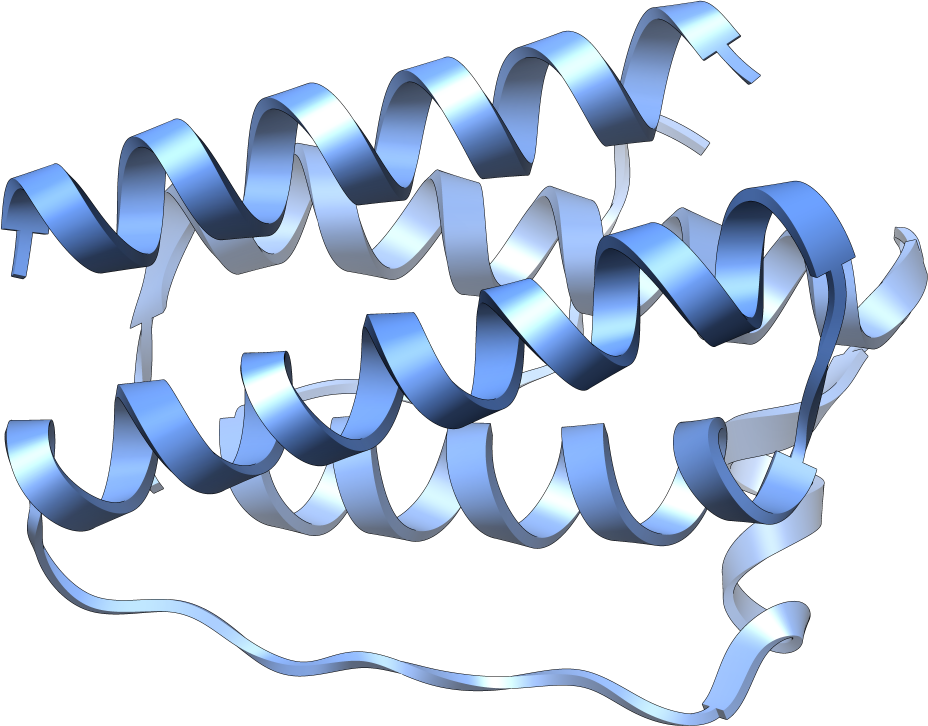
Leptin (see picture at right) is synthesized by adipose cells and stimulates you to feel full. People with anorexia have unusually high levels of leptin (telling them that they are full and don't need to eat). This provides one aspect of how people with AN remain unable to eat even during starvation. On the converse side, people with a rare genetic mutation making them unable to synthesize an active form of leptin cannot seem to stop eating, and are obese from very young ages.

Researchers have also known that leptin is produced by the placenta and other fetal tissue, leading pregnant women to have higher-than-usual levels of leptin. Other of leptin's links to reproduction appeared slightly more indirect. Women without enough body fat have lower levels of leptin and also tend to have a much more difficult time becoming pregnant.

But now it appears that leptin can toggle one master switch in the brain (known as TORC1) that regulates both appetite and reproduction.


"This gene is crucial to the daisy chain of signals that run between body fat and the brain," says Marc Montminy, Ph.D., a professor in the Clayton Foundation Laboratories for Peptide Biology, who led the study. "It likely plays a pivotal role in how much we, as humans, eat and whether we have offspring."

It is just as important as leptin, the well-known star regulator of appetite, Montminy says, because leptin turns on TORC1, which in turn activates a number of genes known to help control feeding and fertility...

Leptin tells the brain that times are good, your body is full, and that it is not necessary to eat more at the moment," Montminy says. The hormone also is known to play a role in reproduction - although, until this study, no one understood what is was. (Very thin women often do not have periods.)
"Controlling appetite and reproduction together provides a big evolutionary advantage," Montminy says. "If there is no food, the brain believes the body should not reproduce because without body fat, a baby's growth in the womb could be stunted, and without food to replenish the body's energy reserves, there will be nothing to feed the offspring."
"Leptin works remarkably well to give the brain a good indication of how much food has been eaten; 99.9 percent of the time it balances food intake with energy use," he says. "The problem is that no machine works 100 percent of the time, and that slight bit of inefficiency can lead to extra body weight."

Or, of course, an imbalance of leptin could lead to not enough body weight, but no one seems to treat that with quite the same concern.

Mice without the TORC1 gene were deaf to the siren calls of leptin, leading to (yep) obesity as well as infertility. And the gene is now being studied as a "potential drug target." Again, for obesity and not anorexia.

My petulance about the lack of attention paid here to the possible links to anorexia aside, this research shows how this one little hormone can have a multitude of effects, and how eating and reproduction are so biologially linked.

Adolescent struggles worse for obese teens

Adolescence pretty much sucks across the board. There's pretty much no getting around it. You're hormonal. You have zits. Your body is changing. The social pecking order is being cemented, and you become remarkably certain of where you are on it.

And there aren't very many places for fat kids. It was hard enough before, but with so much emphasis on the "obesity epidemic" now, fat is equated with ill health, sloth, and weakness. Which isn't good news.

A recent study in the Journal of Child Psychology and Psychiatry found "that traits such as obesity during adolescence that may increase the risk of attacks from peers can result in health and psychological struggles that remain through young adulthood." The authors studied not just bullying, but a wider phenomenon known as peer victimization.

[Researchers] examined peer victimization as a predictor of depression and body mass index in obese and non-obese adolescents. Adams explains that while peer victimization is comparable to bullying, bullying behavior typically involves one-on-one targeting while peer victimization can also entail victimization that can come from the peer group in general.

The study found that obese teens who were victimized by their peers were more likely to suffer from low self-esteem, low body acceptance, and depression.

The authors conclude:

"Victimization may not only reinforce the negative self-concepts that a risk factor for victimization, such as obesity, may cause, but a risk factor for victimization, such as obesity, will also make it more likely that the adolescent will be victimized indefinitely. In other words, the risk factors that strengthen the links in this pathway will also keep the pathway intact because it is also a risk factor for being victimized," Adams states in the report.

"Victimization may not only reinforce the negative self-concepts that a risk factor for victimization, such as obesity, may cause, but a risk factor for victimization, such as obesity, will also make it more likely that the adolescent will be victimized indefinitely. In other words, the risk factors that strengthen the links in this pathway will also keep the pathway intact because it is also a risk factor for being victimized," Adams states in the report.

To me, this seems to indicate that the health problems seemingly associated with obesity aren't the result of actually being fat. They also have a lot to do with the stress of feeling vulnerable, not accepted as a person, and ashamed of their weight.

Maybe by putting less emphasis on weight and more on health and happiness, the so-called obesity epidemic may just correct itself. And millions of teens may find adolescence just a tiny bit easier.

Stop the presses!

Here's some research confirming what we all know: your body weight is determined by more than just the amount of food you eat.

From a press release:

"It says that the nervous system is a key regulator coordinating all energy-related processes through distinct molecular pathways," said Kaveh Ashrafi of the University of California, San Francisco. "The nervous system makes a decision about its state leading to effects on behavior, reproduction, growth and metabolism. These outputs are related, but they are not consequences of each other. It's not that feeding isn't important, but the neural control of fat is distinct from feeding."

If the results in worms can be extrapolated to humans, as Ashrafi suspects at a fundamental level they can given serotonin’s ancient evolutionary origins, then the finding may have clinical implications.

"From a clinical perspective, this may mean you could develop therapeutic strategies to manipulate fat metabolism independently of what you eat," he said. "Now, the focus is primarily on feeding behavior. As important as that is, it's only part of the story. If the logic of the system is conserved across species, a strategy that focuses solely on behavior can only go so far. It may be one reason diets fail."

Obviously, the amount of food you eat can and does affect your weight. But it's not as simple as that. The amount of serotonin in your brain can stimulate to eat more or less. Yet serotonin also regulates how this energy is used. This kind of finding helps fill in the gap as to why people who eat the same can weigh differently.

As a science reporter (an intern science reporter, but still), I get on mailing lists for all of the latest research. Most of what I report on would be of basically no interest to people on this blog (the lastest chemistry research), but I do get a variety of stuff. When this one came across my desk, I immediately searched for the results online. Just to see.

It had five results.

If this paper was about how to lose weight, there wouldn't be just five results. I would give just a little bit of slack if the title of the press release was something super esoteric. But it wasn't. The title of the press release was: Thinness vs. obesity not directly linked to eating habits, study suggests.

I think these findings are far more important and meaningful than whether Atkins raises your cholesterol levels more or less than 5 points. This has to do with the fundamental ways your weight is regulated. But this study doesn't have the potential to earn companies a lot of money. So it wasn't promoted as much. If it's not promoted, it probably won't get reported.

Which is exactly what happened here.

Weighing In

There were two articles in this week's New York Times about weight and health.

Only two? you say. There were several articles about weight loss and health, but none of them looked at weight, period.

The first was interesting- a study I had read about over the weekend and never got around to blogging. Called "The Dreaded Weigh-In," the article looked at women not going to the doctor because they didn't want to be weighed.

“Weighing concern may make these women, particularly those who are overweight and already at risk for certain ailments, less likely to visit a doctor,” said lead author Andrew B. Geier, a doctoral candidate in the department of psychology in Penn’s School of Arts and Sciences. Mr. Geier said the solution for doctors is simple and inexpensive—weigh patients in private.


This quote addresses several issues, one of them being that overweight automatically puts you at risk for "certain ailments." Actually, it doesn't, though it's a moot point. The nexus of genetics and environment is so freaking complex that it's not always obvious what illnesses you are at risk for. Which means that regular check-ups are important, regardless of your weight. So if weighing people in private (a good thing, in my opinion) means that more people will get the health care they need and deserve, then great.

The problem is this: why are people so afraid to be weighed at the doctors'?

Many of the comments to the article said that obese people were in denial and didn't want to be confronted with the reality of how fat they were.

These people are obviously not fat. I'm not fat- and yet I don't know HOW you can be fat in today's day and age and not know it. By Hollywood's standards, I am plus-sized. I would be a behemoth next to most of today's celebrities. Well-meaning (or not) people love to comment on weight and shape. They love to hand out diet advice. I don't know any fat person who hasn't be ridiculed for their weight.

And that one word- ridicule- is the exact reason most people don't want to be weighed at the doctor's: they don't want to be shamed and ridiculed about their weight. Shame has never changed a person's behavior. It just drives it underground, makes a person secretive and fearful. If shaming fat people worked, there would BE no fat people. We would all be thin as Meme Roth would like.

My peers loved to tease me and shame me and hate me because of my weight when I was younger. I was about 90% weight as a child- and 90% height. Totally normal. Now, I track around 60% weight and 75% height. Shame didn't change that. Time did.

The other article looked at an interesting factor- not how much we weigh, but how much we think about what we weigh. The article was titled: Watch Your Weight, Sure, but Don’t Worry About It. It looked at a study by the CDC which asked people what they weighed, what they would like to weigh, and how many days in the past month they had felt "physically or mentally unhealthy." The percentage who felt unhealthy was higher in those who wanted to lose the most weight.

The real kicker in this study? It didn't matter what a person's weight was- the more they wanted to lose, the worse they felt.

My guess is that the people who wanted to lose the most weight were dieting or engaged in unhealthy weight loss behaviors. This makes you batshit crazy and weak and obsessed.

I think both of these articles illustrate the many problems Americans have with the weight and food and obesity obsession.

Fat acceptance in the Grey Lady

That's right, folks. Some of the very best in our fatosphere is featured in the Health Section of today's New York Times.

Read about it here:

In the Fatosphere, Big is In, or at least Accepted

I'll lead the shaky headline slide on a good article. It does make me feel better (a little bit) that the objections raised by the doctor make him sound like an ass.

Back patting to all of the wonderful bloggers featured.

posted under , , | 2 Comments

NYCCD Blues

The New York Calorie Counters Department (NYCCD) is at it again. Their original proposal to require all fast food restaurants to post calorie information on their menus.

Prominently.

For everyone to see.

I'm going to New York City in about 10 days for an outing with my program. If this passes, I am NOT eating in a fast food restaurant.* Which is unfortunate, because it will

a) demonstrate that the "campaign" is working
and
b) I don't have anything against Micky D's. The white meat chicken tenders are remarkably tasty, and the 4-piece McNuggets are a great pick me up for only $1. Granted, I eat there about twice a year, but still. Most of their food is gross, but I don't think they're evil people.

Eating, it seems, is now a crime. Okay, fine, we'll give you some leeway. You can have lettuce. And black coffee. And Splenda. But that's it. Frankly, it's no one's business what I eat. Obviously, when I had nearly starved myself to death, that's someone else's business because the anorexia had left me unable to make it my own business. We have privacy at the pharmacy counter, yet we don't have privacy at the food counter.

Ridiculous.

I've said it before, and I'll say it again. There is no evidence that increased knowledge of food and fat and calories changes anything about a person's food choices (unless they're eating disordered like me). To use their data, we're getting fatter and fatter. We're also more aware of everything single freaking thing that we put in our mouths than ever before. If there was a positive correlation, we would have seen it.

I think it's good that they have nutrition and allergy information available. It can be useful. Just don't throw it in my face. It's like my feelings on PDA (public display of affection, though personal digital assistants can, at times, also fall into this category): I don't care if the cutsey couple kisses or has sex. I just don't want to watch it.

Another story, also on MSNBC.com:

Being a little heavy may have some benefits

I'm still not sure what to think about this story. On the one hand, it's nice to see some sort of anti-hysteria piece. At least that's what it appears on the surface. Yet some comments by the doctor at the end really pissed me off. It seems like it's okay to be a "little heavy" but you better not get FAT!

Thoughts?

*Though given my vast calorie knowledge, I don't know that there's a whole lot that I don't know.

Obesity News Generator Game!

This little game here is probably as accurate (if not more so) than all the crap we hear on the news.

So create your own obesity news scare. If nothing else, it'll show you how the "experts" do it. And give you a good laugh...which burns calories so it really does fight obesity!!!

Obesity News Generator Game

(courtesy The Center for Consumer Freedom)

posted under , , , | 3 Comments

The ridiculousness continues...

There is a new security threat to our country: obesity.

(If nothing else, the sheer creativity of the fat-o-phobes is impressive. I have to hand it to them on many levels. They never stop thinking.)

Really. I shit you not. In a recent news article covering a governor's conference, former Republican governor of Arkansas Mike Huckabee said that obesity was America's most pressing problem, to the point that it was an issue of national security.

"Today we hear a lot about the war on terror, how we need to fight it," said Huckabee, who lost 110 pounds several years ago when he was governor of Arkansas. "Let me ask this question: Who's going to fight it in the future if we're a generation so sick that we don't have the capacity to show up for work?"

Or, dear Mr. Huckabee, what if we have a nation that's so freaking obessessed with food that they can't focus even if they DO show up for work? Who knows how much you could have improved your great state of Arkansas if you weren't dieting so damn much. And rumor has it you had gastric bypass surgery, so don't give me all of this dieting bull. If you did, just 'fess up. You'd look much less like a wanker if you admitted it in the first place.

Okay, I'm going to stop this random rant and get back to the point.

Basically what was said at this "conference" was a bunch of standard anti-obesity hype. Americans eat too much junk and velcro their fat asses to the couch every night with a bag of potato chips.* One of Mr. H's glorious solutions? Test all kids' body fat percentages.

I object to this on several levels.

First, the only really accurate way to measure body fat is by either DEXA scan or by submersion in a special tank thing. I don't think they're going to be dunking a bunch of 6-year-olds anytime soon. It's expensive as hell. So if you do measure body fat, you're going to be getting crap numbers anyway. It's pointless and just serves to shame fat kids even more. They don't need it. Even kids (like me) who weren't fat but told they were by classmates don't need this shit. I always thought I was fat. I wasn't small (85% height and weight for age), but I was healthy as a horse.

Second, there is no evidence that this works. None. Study after study has been done and there has never been one shred of efficacy. Of course, some people are quite determined at this, and their theory is that if a single-pronged intervention doesn't work, we just need to try harder. Because one of them has to work, somehow.

Unless you're working with a flawed theory. It's like trying to make me tall. You can try stretching me like Gumby, but the only way I'm going to grow is by putting on a pair of stiletto heels. Which I will then take off and use the heel to give you a lobotomy.

Of course, this wasn't the end of things. There had to be one more classic anti-obesity comment, didn't there?

"You've got a serious situation with a generation of kids coming up so unhealthy they won't be able to pass the military physical," Huckabee said in an interview after the panel discussion. "We keep talking about the war on terror- who's going to fight it if we don't have enough people who are healthy enough to show up and pick up a backpack?"

I suppose one solution would be don't start completely pointless, futile and unnecessary wars. And, failing all else, we could just sit on the enemy.

*If you do decide to do this, I would highly recommend kettle chips. They're extremely tasty, especially the sea salt and cracked pepper kind. Salty stuff usually isn't my thing, but these...damn.

Fat is contagious! Run for your lives!

Fat is now considered "contagious."

Why do I ever doubt the creativity of obesity researchers? They really have it going on.

Apparently, a new study showed that if you have fat friends, you're going to get fat, too.

The chances of a person "developing obesity"* increased 57% if a friend was obese, 40% if a sibling was, and 37% if a spouse was.

This is now more likely to determine your weight than genetics, the researchers say.

"We were stunned to find that friends who are hundreds of miles away have just as much impact on a person's weight status as friends who are right next door," said co-author James Fowler of the University of California, San Diego.

Researchers think it's more than just people with similar eating and exercise habits hanging out together. Instead, it may be that having relatives and friends who become obese changes one's idea of what is an acceptable weight.

So let me get this straight here: many of my friends I've met through this blog. Most of them, I've never seen pictures of. Therefore, I'm more likely to weigh what they do because they determine what an acceptable body weight is.

Here's a novel idea for you: what if we through out all preconceptions of an "acceptable weight"? What if an acceptable weight was whatever your own DNA told you to be at? What if we stopped asking stupid questions that could only yield stupid answers?

However, the researchers did caution severing friendships with obese people. Even the globe-trotting man with almost untreatable TB was not advised to ditch his wife. She was there in her little mask with him during interviews. No one said, "Get divorced." Or "Don't see each other." Wearing a mask is advisable, certainly. So what? Now you're supposed to wire your mouth shut around friends who have "unacceptable" weights?


I'm sorry, but if my friend found my weight unacceptable, I'd ditch them long before they could ditch me.

But wait: there's more.

"If you're just a little bit heavy and everyone around you is quite heavier, you will feel good when you look in a mirror," said Dr. David Katz, director of Yale University's Prevention Research Center.

Yep. Judge your self-worth based on your weight. Damn, don't I know where that leads. So their "new" proposal is to focus on getting whole groups of people to lose weight.

And damn, don't I know where that leads, too.

There is a little part that makes sense. It reminds me of pro-anorexia. Of the group fasts, of the posting of "thinspiration", of the cognitive reinforcement of the need to lose weight. And from that standpoint, it makes at least a tad of sense. It's really cognitive behavioral therapy, given in a effed up way.

The irony is that the "ideal" figure out there is so thin or so muscular that it's completely unattainable. Look at a magazine, feel fat. Look at a friend, feel thin. So what the hell are you supposed to do?

Stop looking at others for figuring out how you're supposed to look. That's the underlying assumption of this study. That you look to others to decide how and what you're supposed to be. Imagine telling an African-American with primarily white friends that they need to lighten their skin because they look "too dark" around them. Or a tall basketball player to lop a couple of inches off their legs because they look too tall against other people.

We would never say it 1) because it's rude and degrading and 2) because it's not true! Prejudice against fat people has the same name as prejudice against any other group of people: bigotry.

And now I've just proven that stupidity is far more contagious than obesity ever will be. Quad erat demonstratum.

*An asinine term if ever there was one. It's not a disease. You don't "develop" blonde hair or blue eyes or a hairy chest. In fact, it's not even a decent term.

Cancer or fat: which would you rather have?

Two new studies about the stigma of being a fat child in this country are sobering at best and depressing at worst.

No, worse than depressing. They're downright hideous. I cried for the children as I read these news reports. Not only for the fat kids, but the kids who were called fat even when they weren't. Because at school, there's really no difference.

Here's the opening paragraph of one news release from the
Associated Press:

Overweight children are stigmatized by their peers as early as age 3 and even face bias from their parents and teachers, giving them a quality of life comparable to people with cancer, a new analysis concludes.
The article goes on to say that

Youngsters who report teasing, rejection, bullying and other types of abuse because of their weight are two to three times more likely to report suicidal thoughts as well as to suffer from other health issues such as high blood pressure and eating disorders, researchers said.

"The stigmatization directed at obese children by their peers, parents, educators and others is pervasive and often unrelenting," researchers with Yale University and the University of Hawaii at Manatoa wrote in the July issue of Psychological Bulletin.

No wonder obesity kills.

I mean really- a quality of life similar to having cancer? What the hell is wrong with everybody? I can't imagine having to say I live in a culture where it's better to have cancer than be fat. Because hey- chemo makes you lose weight, right? That is so wrong.

I feel I could rant and rave for post after post after post about this, but I'd just turn myself into the Smooshy Faced Cat.
One of the authors of the study said this, perhaps one of the most disquieting continuing truths about fat prejudice:

"This is a form of bias that is very socially acceptable," Puhl said. "It is rarely challenged; it's often ignored."

This is the thing- you can't have "thin" be good without "fat" being bad. It was the same thing with the Nazis: if blonde-haired, blue-eyed children were "good", then somebody had to be "bad." And Hitler went about slaughtering 6 million people because of that. You can't have pretty without ugly, and thin without fat. So as long as thin is the epitome of good and wholesomeness and all the things that we're supposed to be, fat is going to be the opposite.

But what's the difference? What is the moral difference between fat and thin? It's no more than the moral difference between black and white. It's the number of fat cells; it's the amount of melanin in your skin. Black people are more likely to have health problems that whites, but that's not because of their skin color.

Get a grip, people. I do believe children should learn to love a wide variety of foods and physical activities. But not because they'll make you thin or keep you from becoming fat...just because they're fun.

Older Posts Home

ED Bites on Facebook!

ED Bites is on Twitter!

Search ED Bites

People's HealthBlogger Awards 2009
People's HealthBlogger Awards 2009 - Best 100 Winner!
Wellsphere

About Me

My photo
I'm a science writer, a jewelry design artist, a bookworm, a complete geek, and mom to a wonderful kitty. I am also recovering from a decade-plus battle with anorexia nervosa. I believe that complete recovery is possible, and that the first step along that path is full nutrition.

Drop me a line!

Have any questions or comments about this blog? Feel free to email me at carrie@edbites.com


nour·ish: (v); to sustain with food or nutriment; supply with what is necessary for life, health, and growth; to cherish, foster, keep alive; to strengthen, build up, or promote


Archives

Popular Posts

Followers


Recent Comments